Signs Your Commercial Property Has a Small Animal Issue
If you notice signs your commercial property has a small animal issue, local contractors can identify the problem and safely remove the animals to protect your space.
If you own or manage a commercial property in the area, noticing signs of a small animal issue can be a cause for concern. Small animals such as rodents, squirrels, or raccoons can sometimes find their way into buildings, causing damage and creating health risks. Recognizing the early warning signs-like unusual droppings, gnaw marks, or strange noises-can help property owners address the problem before it becomes more serious. Staying alert to these indicators ensures that potential infestations are managed promptly and effectively, maintaining the safety and integrity of the property.
Understanding the practical reasons to explore small animal issues on a commercial property highlights the importance of timely intervention. Local contractors who specialize in small animal removal are equipped to handle these situations, helping to prevent further damage and disruption. If signs of a small animal presence are present, connecting with experienced service providers can ensure the problem is resolved efficiently. Keep reading to learn more about how to identify these signs and why early action with the right local experts can make a significant difference.
- Small animal trapping - when signs like scratching noises or droppings indicate rodents or other small animals are inside a commercial building, local contractors can set humane traps to remove them effectively.
- Exclusion services - if there are visible holes or gnawed areas on walls or roofs, local service providers can seal entry points to prevent further small animal intrusion.
- Insulation inspection and replacement - the presence of small animal nests or damage to insulation suggests local pros can assess and restore insulation to maintain property integrity.
- Droppings and urine cleanup - when signs include foul odors or visible droppings, local contractors can safely remove contaminants and sanitize affected areas.
- Damage repair and prevention - evidence of chewed wiring or structural damage prompts local experts to repair and reinforce vulnerable areas to deter future small animal issues.
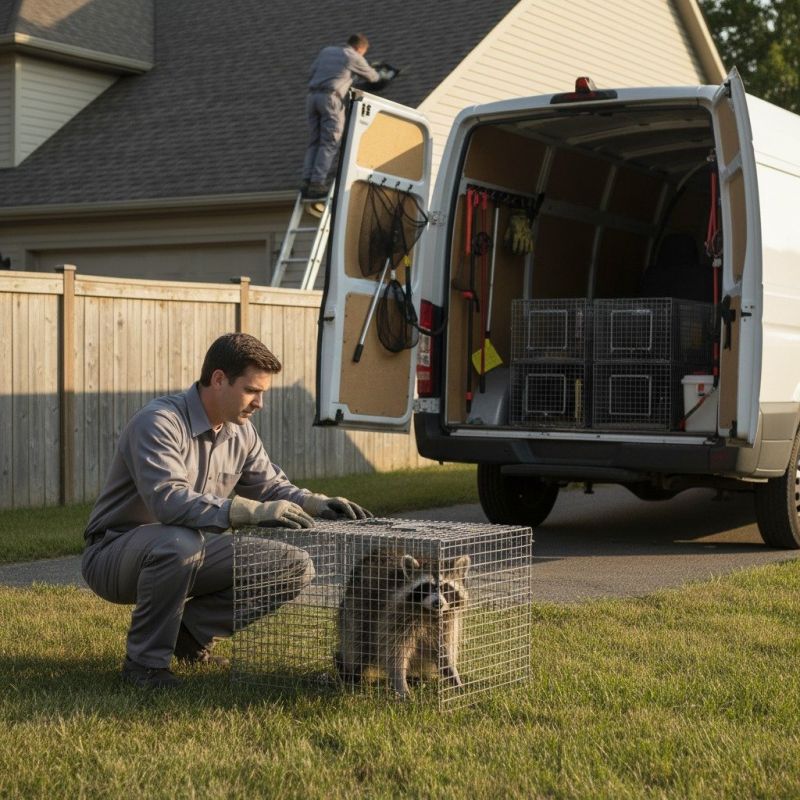
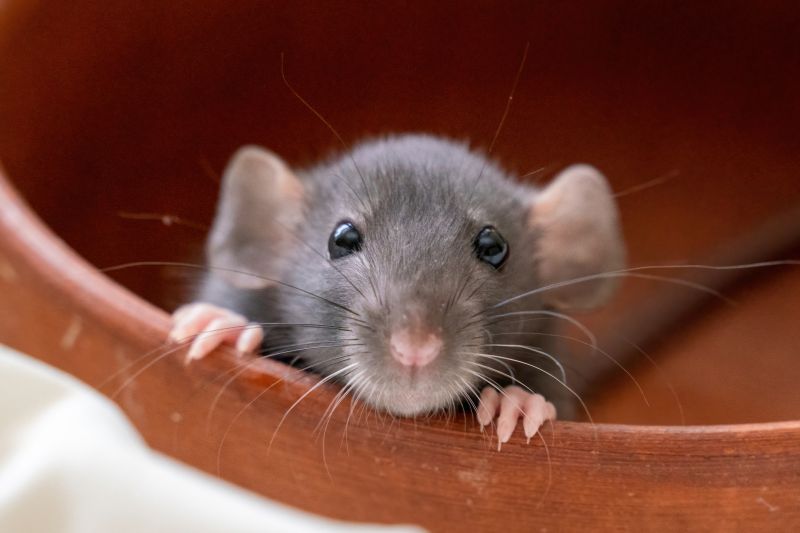
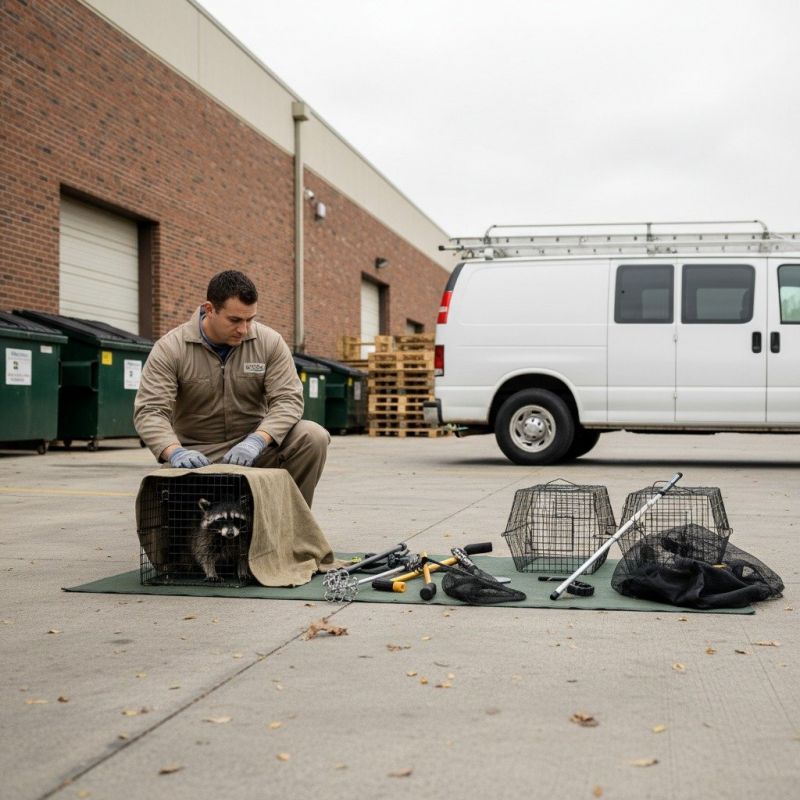
When people search for signs your commercial property has a small animal issue, they are usually trying to identify early indicators that rodents, raccoons, squirrels, or other small wildlife have taken up residence on their premises. Recognizing these signs is essential for property owners who want to prevent damage, maintain sanitation, and avoid potential health risks. Small animals often seek shelter in hidden or hard-to-reach areas, making their presence less obvious initially. However, certain clues-such as unusual noises, droppings, or damage to structures-can signal an infestation that requires prompt attention. Understanding what to look for helps property managers and business owners determine whether professional small animal removal services are needed to address the problem effectively.
This topic relates closely to property management plans and maintenance routines, especially for commercial buildings that include warehouses, retail spaces, or office complexes. Small animal issues can compromise building integrity by gnawing on wiring, insulation, or structural supports, leading to costly repairs. They can also pose sanitary concerns if droppings or nesting materials contaminate food storage areas or common spaces. For property owners, identifying these problems early is vital to minimizing disruptions and ensuring compliance with health standards. When signs of small animal activity are detected, it often triggers a need for specialized removal strategies, which local service providers can provide. These experts can assess the situation, implement humane removal methods, and help prevent future issues through exclusion measures.
Certain types of properties are more prone to small animal issues due to their design, location, or usage. Commercial properties with accessible rooftops, basements, or storage rooms tend to be vulnerable spots. Warehouses, industrial facilities, and retail stores with extensive storage areas or exterior landscaping can attract small wildlife seeking food or shelter. Buildings situated near wooded areas, parks, or water sources are also at higher risk of animal intrusion. Property owners should remain vigilant for signs of activity in these environments, as early detection can prevent more significant infestations. Local pros specializing in small animal removal are equipped to handle the unique challenges of different property types, ensuring that the problem is addressed without causing unnecessary disruption to daily operations.
Detecting signs your commercial property has a small animal issue involves observing specific indicators that point to an active infestation. Common signs include scratching noises within walls or ceilings, sightings of small animals during off-hours, or the presence of droppings and nesting materials in hidden corners. Damage to insulation, wiring, or stored goods can also signal their activity. Additionally, foul odors or an increase in pest-related debris might be noticeable in certain areas. Recognizing these signs early can help property owners decide when to seek the assistance of local contractors who specialize in humane and effective small animal removal. Proper identification and prompt action can prevent minor issues from escalating into more extensive and costly problems.
When small animals establish a presence on a commercial property, they can quickly cause significant damage if left unchecked. Property owners should be aware that early signs often appear in overlooked or seldom-visited areas, making routine inspections crucial. Engaging with local service providers who specialize in small animal removal ensures that professional assessment and humane removal methods are employed. These experts can also advise on exclusion techniques to prevent future intrusions, helping maintain a safe, clean, and damage-free environment. Recognizing the signs of a small animal issue and knowing when to bring in local pros can save property owners time, money, and stress, ultimately protecting the integrity and safety of their commercial spaces.
Pest inspection services - these projects involve thorough assessments of buildings for signs of small animal activity, which is essential for identifying issues related to small animal presence in commercial properties.
Wildlife exclusion services - contractors specializing in sealing entry points and preventing animal access often handle similar planning and tools as those used in small animal removal for commercial sites.
Building repair and sealing projects - these projects focus on fixing structural vulnerabilities that small animals exploit, aligning with the skills needed to address signs of small animal issues.
Rodent proofing services - these involve installing barriers and deterrents to keep small animals out, which directly relates to preventing ongoing issues on commercial properties.
Structural damage repair - projects that address damage caused by small animals often require similar tools and planning as those used in identifying and resolving small animal issues.
Integrated pest management consulting - these projects include strategies for controlling small animal populations, leveraging knowledge relevant to signs your commercial property has a small animal issue.
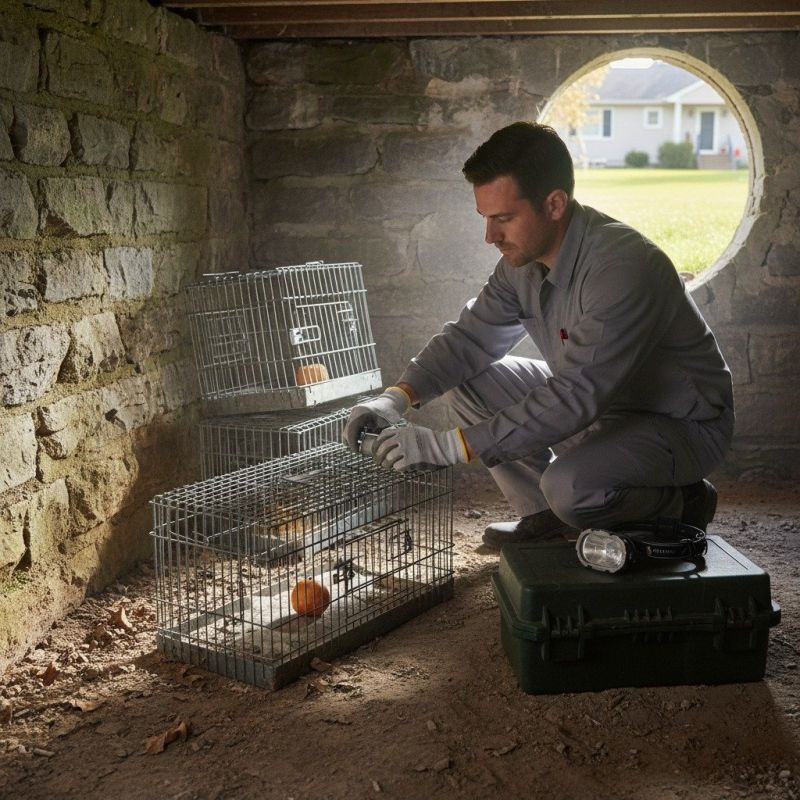
When evaluating service providers for small animal removal on a commercial property, it is important to consider their experience with similar projects. Contractors who have handled small animal issues in commercial settings are more likely to understand the unique challenges that can arise, such as access points, property layout, and the presence of ongoing activity. A contractor’s track record with comparable projects can provide insight into their familiarity with the problem and their ability to deliver effective solutions, helping to ensure the issue is addressed thoroughly and efficiently.
Clear written expectations are essential when selecting a service provider for small animal removal. A reputable local contractor should be able to provide a detailed scope of work, outlining the steps involved, what methods will be used, and what the homeowner can expect during the process. Having these details in writing helps prevent misunderstandings and ensures that both parties are aligned on the scope and responsibilities. This transparency allows homeowners to make informed decisions and feel confident that the project will be managed professionally.
Reputable references and good communication are key factors to consider when comparing local contractors. Reliable service providers should be able to share references from past clients who experienced similar issues, providing insights into their professionalism and effectiveness. Additionally, clear and responsive communication throughout the process indicates a contractor’s commitment to customer service and helps address any questions or concerns promptly. These qualities contribute to a smoother experience and increase the likelihood of successful small animal removal on the property.
Property owners often search for signs your commercial property has a small animal issue when they are planning practical projects around their homes and businesses. Local pros provide Small Animal Removal services for everyday jobs and straightforward project options.
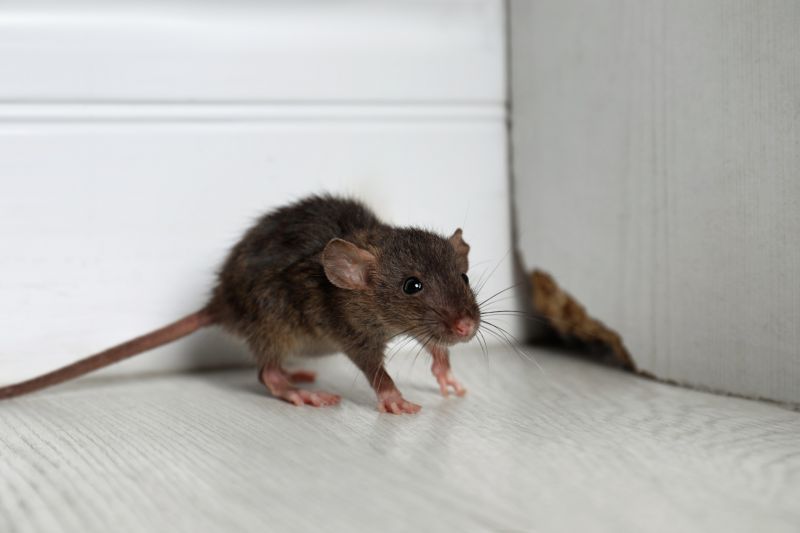
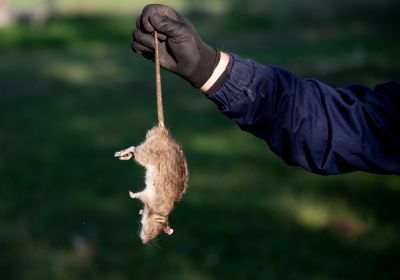
Recognizing signs that a commercial property has a small animal issue can often come from observing unusual activity or damage in and around the building. Common indicators include the presence of droppings, gnaw marks on wiring or structural materials, and strange noises such as scratching or squeaking that occur during non-business hours. Additionally, property owners might notice an increase in pest sightings or find nesting materials like shredded paper or insulation in hidden corners. These everyday observations can signal the need for professional small animal removal services, as local contractors are equipped to identify and address the root of the problem effectively.
In many cases, small animals can cause subtle yet significant issues that might go unnoticed until they become more severe. For example, a sudden smell of musky odors or unexplained debris around vents and entry points can be early warning signs. If property owners notice signs of small animal activity, such as chewed wires or damaged insulation, it’s often best to consult local service providers who specialize in removal and prevention. These professionals can assess the situation, safely remove any animals present, and help prevent future issues, ensuring the building remains secure and free of unwanted visitors.
What are common signs that small animals have entered a commercial property? Signs include unusual noises, droppings, chewed wiring or materials, and damage to insulation or walls, indicating the presence of small animals.
How can I tell if small animals are nesting inside the building? Indicators such as shredded insulation, nesting materials, or a strong odor can suggest small animals are nesting within the structure.
What should I look for to identify small animal activity near vents or entry points? Look for gnaw marks, droppings, or signs of debris around vents, pipes, or potential entry points, which may reveal small animal access points.
Are there specific signs that suggest a small animal problem is affecting the building’s insulation or wiring? Chewed insulation, exposed wiring, or electrical issues can be signs that small animals have been active inside the property.
When is it necessary to seek professional small animal removal services? If signs of small animal activity persist or if there is damage to the property, it is advisable to contact experienced service providers for removal and prevention assistance.
Unusual Noises - Hearing scratching, scurrying, or squeaking sounds inside walls or ceilings can indicate small animal activity, prompting a consultation with local contractors who specialize in removal.
Droppings and Nests - Spotting droppings or nesting materials near vents, attics, or storage areas suggests an infestation that local pros can help address.
Chewing Damage - Noticing chewed wires, insulation, or structural components may be a sign of small animals, making professional removal services a practical solution.
Odors or Unexplained Smells - Persistent musty or foul odors can point to hidden small animal presence, encouraging property owners to seek expert assistance for removal.
If you are thinking about signs your commercial property has a small animal issue for a property, this guide is meant to help you understand this topic, the typical project types, and how different options might fit your plans.
When you are ready, you can use the quote form on this page to share a few details about your project. From there, local pros can review the basics and follow up with options that match what you have in mind.